
A Dog, a Bike and an Ambulance
(The importance of imaginative play)
Ross Woodfield April 14th 2026
“Teacher, adventurer, philosopher”. Those are the words we decided would be most apt on my dad’s headstone.
My earliest memories are of me and my brother trotting after him on some exciting ‘adventure’ – and our Dad could make an adventure out of anything. He was a keen gardener and used to collect the council grass trimmings for compost, in an old pram. Our reward for helping him would be a ‘horror ride’ in the rickety pram and we would squeal with excitement as he tipped, rolled and swerved the contraption. ‘Hunting Trips’ were a big deal, where we would set off with knapsacks full of supplies, to explore the old limekilns, turning over stones and tins looking for slow worms and adders. We would light a fire on the beach and eat sausages roasted on sticks.
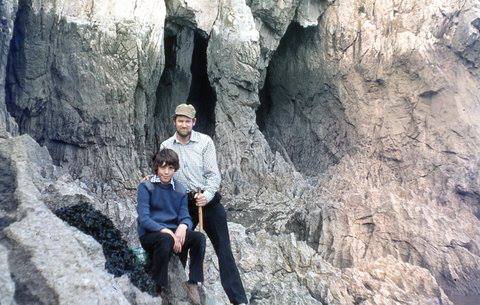
Our father had the knack of firing our young imaginations, making up stories and characters. When we passed the ‘witch’s cottage’, he would stop and warn us: “The witch will try to put a spell on you. Whatever you do, don’t swallow until you see a dog, a bike and an ambulance!”
Only this would break the spell - and of course, very quickly, we would spot a dog and a bike - but the ambulance remained elusive. Eventually, he would relent, throw back his head and laugh and say, “I forgot. There is something else we can do”. Usually, this involved finding an item, a leaf, a stone or an acorn, something he knew could be found easily nearby. All of this filled us with wonder. We believed him wholesale, because at that age, we lived in a world where anything was possible. As the White Queen said to Alice in Through the Looking Glass, “Sometimes I've believed as many as six impossible things before breakfast”.
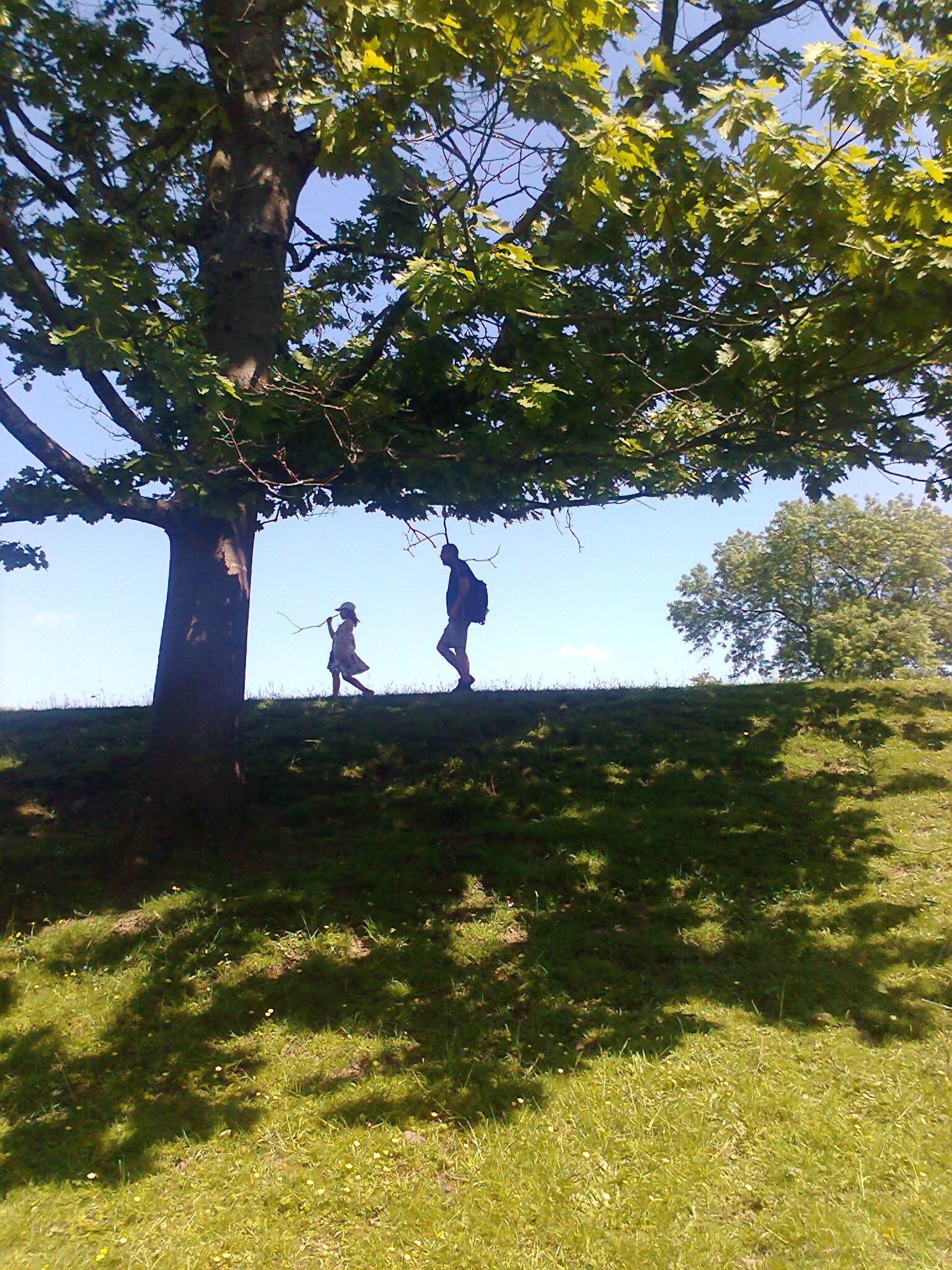
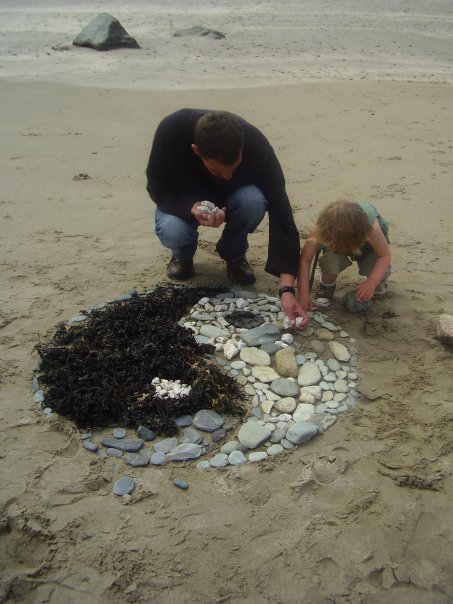
When our daughter came along, I instinctively copied my father’s ways. Sadly, he died before we adopted her, but I took on the mantle of adventurer, reviving old games, characters and stories and inventing new ones of my own. As parents, we constantly made up new scenarios – battling invisible force fields in the hallway, making a skittle alley from pebbles and rocks on the beach, looking for fairy houses in the woods and inventing tales about a little black bear – all totally free!
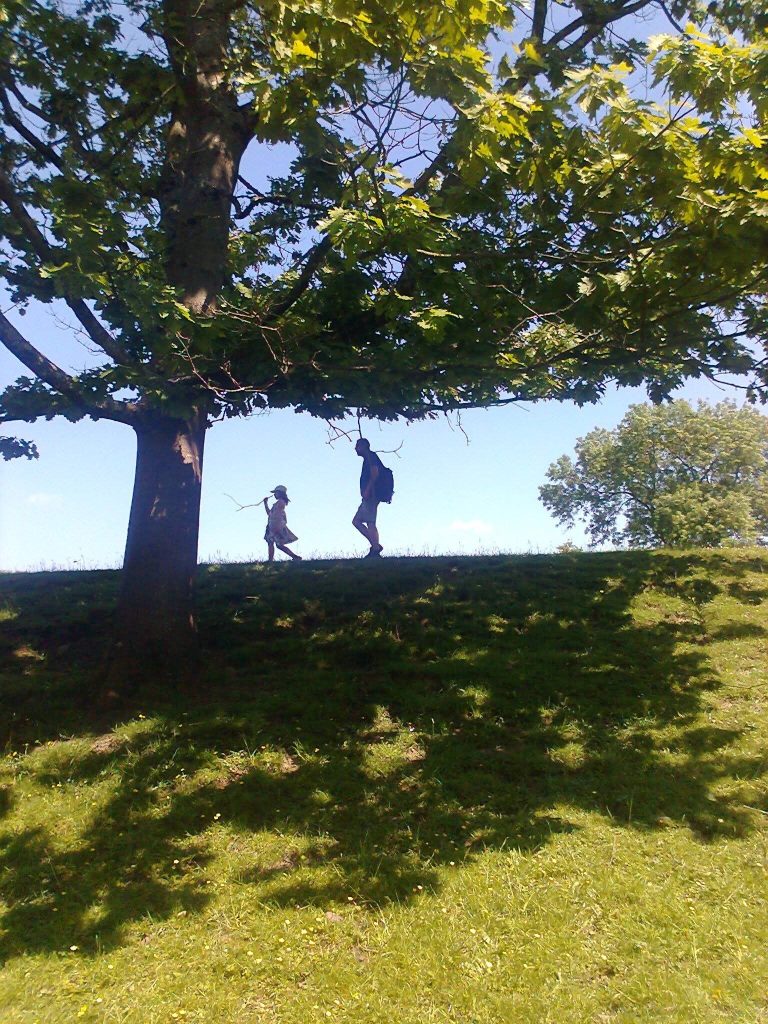
Young children are naturally imaginative, and developmental theorists have long emphasized that imaginative play is essential for cognitive growth. Vygotsky argued that play lets children operate “a head above” their usual level, practicing forms of thinking and self-regulation that later become real skills. Through pretend play, children strengthen attention, problem-solving, language, and self expression while safely exploring more advanced mental abilities.
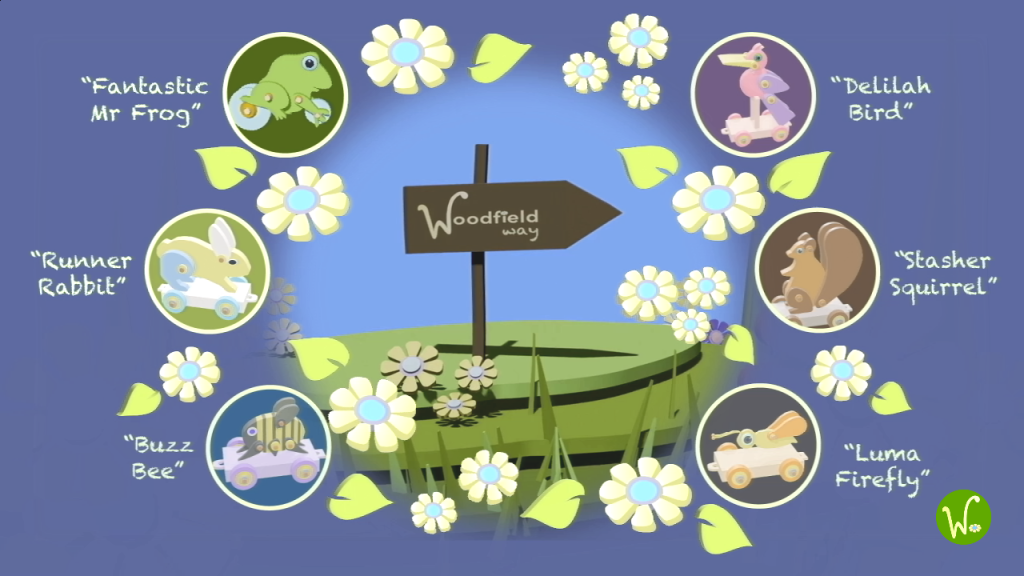
Woodfield Way has been designed with these considerations in mind. We agreed we didn’t want to create content that was just entertainment for its own sake. We wanted to make a holistic package that includes ‘Beyond Screen Activities’, story books and constructable toys that would have a positive impact on children’s ‘executive functioning’.
Executive functioning (EF) refers to the set of mental skills that help children plan, focus attention, remember instructions, control impulses, and manage their emotions and behaviour.
In order to support children’s EF, we have followed guidance and developed slow -paced 3D animated content with no fast cuts, zooms, or rapid movements. We use gentle narration as opposed to rapid dialogue. The story lines role-model helping behaviours and kindness.
The Original music was composed to be gentle and repetitive with entry and exit themes and recurring character themes.
To accompany the animated series, we have produced Beyond Screen Activities (BSA's) – episode-related things, at low or no cost, you can do with your children that involve imagination and hands on play - but no screens.
If you and your child would like to try out some sample ones for yourselves, you can find our free Beyond Screen Activities here [link]
As Vygotsky said,
“It must not be forgotten that the basic law of children’s creativity is that its value lies not in its results, but in the process itself. It is not important what children create, but that they do create — that they exercise and implement their creative imagination.”
So go ahead with new adventures, kindle your child’s imagination, play, have fun, and whatever you do, if you’re passing the witch’s house, don’t swallow until you see a dog, a bike and an ambulance!
Carroll, L. 2015. Alice's Adventures in Wonderland and Through the Looking-Glass. Penguin Classics Deluxe Edition. London: Penguin Classics.
Harvard University — Center on the Developing Child. Enhancing & Practicing Executive Function Skills with Children from Infancy to Adolescence
Vygotsky, L.S. (1978) Mind in Society: The Development of Higher Psychological Processes. Cambridge, MA: Harvard University Press.
Vygotsky, L. S. n.d. Vygotsky Learning Quotes. Pinterest. Available at: https://fity.club/lists/v/vygotsky-learning-quotes/